- Home
- About Us
- Products
- Air Ventilators
- Turbo Air Ventilator
- Powerless Air Ventilator
- Roof Air Ventilator
- Turbine Air Ventilator
- Aluminium Air Ventilators
- Stainless Steel Air Ventilator
- FRP Base Air Ventilator
- Polypropylene Air Ventilator
- Roof Extractor
- Wind Driven Turbo Ventilator
- Polycarbonate Profile Sheet
- Eco Air Ventilator
- PP SS Air Ventilator
- Polycarbonate Base Ventilator
- Rooftop Air Ventilator
- Industrial Roof Ventilator
- Turbine Ventilator
- Industrial Turbo Ventilator
- Wind Driven Ventilator
- Industrial Rooftop Ventilator
- Industrial Turbine Ventilators
- Powerless Ventilator
- Roof Top Extractors
- Aluminum Roof Wind Ventilator
- Automatic Turbine Air Ventilator
- Stainless Steel Roof Ventilator.
- Automatic Turbo Air Ventilator
- Automatic Turbine Ventilator
- Turbine Roof Air Ventilator
- Aluminum Turbo Air Ventilators
- Roof Top Turbo Ventilators
- Turbo Wind Ventilators
- Powerless Turbo Air Ventilator
- Turbo Ventilators
- Roof Top Air Ventilator
- Aluminum Turbo Ventilator
- Aluminium Automatic Roof Top Ventilators
- Stainless Steel Turbo Ventilator
- Aluminum Turbo Ventilators
- Aluminium Automatic Turbo Ventilator
- Aluminum Roof Ventilator
- Aluminum Air Roof Turbo Ventilators
- Stainless Steel Roof Industrial Ventilator Fan
- Wind Driven Turbo Ventilation
- Aluminum Roof Turbo Ventilators
- SS Turbo Ventilator
- Roof Ventilator
- Roof Turbo Air Ventilator
- Automatic Turbo Ventilator
- Automatic Roof Top Turbo Air Ventilator
- Industrial Rooftop Ventilator Manufacturer
- Motorised Power Ventilators
- Motorized Roof Exhaust Fans
- Motorized Roof Exhaust Fan Ventilator
- PP SS Turbo Ventilator
- Industrial Ventilators
- Rooftop Ventilator
- ROOF EXTRACTOR FAN
- PP SS Turbo Air Ventilator
- Stainless Steel Ventilator
- Aluminum Roof Wind Ventilators
- FRP Base Turbo Ventilator
- Roof Ventilators
- Turbine Ventilators
- Stainless Steel Ventilators
- Motorized Roof Extractor Fan
- Turbo Air Ventilators
- Roof Air Ventilators Manufacturer In Sanand
- FRP Base Turbo Air Ventilator
- Polycarbonate Base Air Ventilator
- Turbo Roof Ventilator
- Turbo Air Ventilator Manufacturer In Vatva GIDC Ahmedabad
- Roof Ventilator Manufacturer In Vatva GIDC
- Air Ventilator Manufacturer In Vatva GIDC.
- Roof Ventilator Manufacturer In Kerala GIDC Ahmedabada.
- Turbo Ventilator Supplier In Kerala GIDC Ahmedabad.
- Turbo Ventilator Manufacturer In Odhav
- Roof Air Ventilator Manufacturer In Chandkheda
- Roof Ventilator Manufacturer In Aslali
- Roof Ventilator Manufacturer In Bhadaj
- Turbo Air Ventilator Manufacturer In Ghatlodiya
- Roof Air Ventilator Manufacturer In Sola
- Turbo Air Ventilator Manufacturer In CG Road
- Roof Ventilator Manufacturer In Rakhial
- Roof Ventilator Manufacturer In Nikol
- Turbo Air Ventilator Manufacturer And Supplier In Bayad
- Turbo Roof Ventilator Manufacturer In Bagodra
- Air Ventilator Manufacturer In Bopal
- Turbo Ventilator Manufacturer In Chandlodia
- Roof Air Ventilator Manufacturer In Ghatlodia
- Turbo Air Ventilator Manufacturer And Supplier In Ghodsar
- Roof Air Ventilator Manufacturer In Hathijan
- Industrial Air Ventilator Manufacturer In Motera
- Roof Ventilator Manufacturer In Narol
- Roof Air Ventilator Manufacturer In Santej
- Turbo Air Ventilator Manufacturer In Bareja Ahmedabad
- Roof Ventilator Manufacturer In Bavlu
- Roof Ventilator Manufacturer In Viramgam
- FRP Base Air Ventilator Manufacturer In Gujarat
- Turbo Ventilator Manufacturer In Khatraj,
- Roof Air Ventilator Manufacturer And Supplier In Khatraj,
- Air Ventilator Manufacturer In Dholka
- Roof Air Ventilator Manufacturer In Nandesari
- Turbo Air Ventilator Manufacturer And Supplier In Ankleshwar
- Roof Ventilator Manufacturer In Dediyasan GIDC
- Turbo Air Ventilator Manufacturer And Supplier In Dediyasan GIDC
- Stainless Steel Turbo Air Ventilator Manufacturer And Supplier In Dediyasan GIDC
- Turbo Air Ventilator Manufacturer And Supplier In Kerala GIDC
- Motorized Roof Ventilator Manufacturer In Kerala GIDC
- Turbo Air Ventilator Manufacturer And Supplier In Nandesari
- Stainless Steel Roof Ventilator Supplier In Nandesari
- Roof Ventilator Manufacturer In Por GIDC
- Turbo Air Ventilator Manufacturer And Supplier In Por GIDC
- Roof Air Ventilator Manufacturer In Makarpura GIDC
- Turbo Ventilator Manufacturer And Suppliers InMakarpura
- Roof Air Ventilator In Deesa
- Turbo Air Ventilator Manufacturer And Supplier In
- Roof Ventilator Manufacturer And Suppliers In Tatanagar
- Air Ventilator Manufacturer Manufacturer, Suppliers In Tatanagar
- Air Ventilator Manufacturer Manufacturer, Suppliers In Tatanagar
- Turbo Air Ventilator Manufacturers In Jamshedpur
- Roof Air Ventilator Manufacturers In Jamshedpur
- Turbo Ventilator Manufacturer And Suppliers In Jamshedpur
- Roof Air Ventilator Manufacturer In Radhanpur
- Motorized Roof Ventilator Manufacturer And Suppliers In Radhanpur
- Motorized Roof Ventilator Manufacturer And Suppliers In Radhanpur
- Turbo Air Ventilator Manufacturer And Supplier In Nandasan
- Motorized Roof Exhaust Fan Manufacturer And Suppliers In Nandasan
- Roof Ventilator Manufacturer In Usmanpura
- Turbo Ventilator Suppliers In Usmanpura
- Roof Ventilator Manufacturer In Danilimda
- Roof Ventilator Manufacturer In Mithirohar.
- Turbo Air Ventilator Manufacturer And Supplier In Mithirohar
- Motorized Roof Exhaust Fan Manufacturer And Suppliers In Mithirohar
- Turbo Air Ventilator Manufacturer And Supplier In Viramgam
- Roof Ventilator In Viramgam
- Roof Air Ventilator Manufacturer In Piplaj
- Turbo Air Ventilator Manufacturer And Supplier In Pirana
- Roof Air Ventilator Manufacturers In Bagodara
- Air Ventilator Manufacturer Manufacturer, Suppliers In Bagodara
- Turbo Air Ventilator Manufacturer In Tarapur
- Motorized Roof Ventilator Manufacturer And Suppliers In Tarapur
- Turbo Air Ventilator Manufacturers In Shantipura
- Turbo Air Ventilator Manufacturer And Supplier In Sinnar
- Motorized Roof Exhaust Fan Manufacturer In Sinnar
- Turbo Air Ventilator Manufacturer And Supplier In Balotra
- Air Ventilator Manufacturer In Balotra
- Roof Ventilator Manufacturer In Satej
- Roof Ventilator Manufacturer In Bhat
- Roof Ventilator In Satellite
- Turbo Air Ventilator Manufacturer And Supplier In Satellite
- Air Ventilator In Income Tax
- Turbo Air Ventilator In Prahlad Nagar
- Roof Ventilator Manufacturer In Pandesara GIDC
- Turbo Ventilator Manufacturer In Sirohi
- Roof Ventilator In Beawar Alwar
- Roof Air Ventilator Manufacturer And Supply In Chittorgarh
- Roof Air Ventilator Manufacturers In Dungarpur
- Turbo Ventilator Suppliers In Hanumangarh
- Turbo Air Ventilator Supply In Jalore
- Roof Air Ventilator Manufacturer And Supply In Kishangarh
- Motorized Roof Exhaust Fan Manufacturer And Suppliers In Pandesara GIDC
- Turbo Ventilator Manufacturer In Jabalpur
- Turbo Air Ventilator Supplier In Andhra Pradesh
- Turbo Ventilator Manufacturer In Andhra Pradesh
- Roof Ventilator Supply In Andhra Pradesh
- Turbo Air Ventilator Manufacturer In Assam
- Roof Ventilator Supplier In Assam
- Motorized Roof Exhaust Fan Manufacturer And Suppliers In Assam
- Roof Ventilator Manufacturer In Bihar
- Turbo Ventilator Supplier In Bihar
- Motorized Roof Exhaust Fan Manufacturer Chhattisgarh
- Roof Ventilator Manufacturer In Delhi
- Motorized Roof Exhaust Fan Suppliers In Delhi
- Roof Ventilator Manufacturer In Gujarat
- Turbo Air Ventilator Supply In Gujarat
- Turbo Air Ventilator Supply In Gujarat
- Stainless Steel Roof Ventilator Manufacturer And Supplier In Gujarat
- Motorized Roof Exhaust Fan In Gujarat
- Air Ventilator Manufacturer Suppliers In Pan India
- Motorized Roof Ventilator Supplier In Jharkhand
- Roof Ventilator Manufacturer In Madhya Pradesh
- Motorized Roof Exhaust Fan Manufacturer In Madhya Pradesh
- Stainless Steel Roof Ventilator Manufacturer And Supplier In Madhya Pradesh
- Turbo Ventilator Manufacturer And Suppliers In Maharashtra
- Roof Ventilator Manufacturer In Maharashtra
- Motorized Roof Exhaust Fan Suppliers In Maharashtra.
- Turbo Ventilator Suppliers In Manipur
- Turbo Air Ventilator Manufacturers In Odisha
- Roof Ventilator Supplier In Odisha
- Motorized Roof Exhaust Fan Suppliers In Odisha
- Motorized Roof Exhaust Fan Suppliers In Punjab
- Motorized Roof Ventilator Manufacturer And Suppliers In Rajasthan
- Motorized Roof Exhaust Fan Suppliers In Rajasthan
- Turbo Ventilator Suppliers In Tamil Nadu
- Turbo Air Ventilator Manufacturers In Uttar Pradesh
- Turbo Ventilator Manufacturers In Botad
- Roof Ventilator Manufacturer In Verna
- Turbo Air Ventilator Supplier In Verna
- Turbo Air Ventilator Supplier In Verna
- Turbo Air Ventilator Supplier In Verna
- Motorized Roof Exhaust Fan Suppliers In Uttar Pradesh
- Roof Ventilator In Dewas
- Motorized Roof Ventilator Supplier In Dewas
- Roof Ventilator Manufacturer In Uttar Pradesh
- Turbo Ventilator Supplier In Dewas
- Roof Ventilator Manufacturer In Pithampur
- Roof Ventilator Manufacturer In Udhana
- Motorized Roof Exhaust Fan Suppliers In Pithampur
- Turbo Ventilator In Bundi
- Motorized Roof Exhaust Fan Suppliers In Bundi
- Polycarbonate Profile Sheet In Bundi
- Turbo Ventilator In Saykha GIDC
- Motorized Roof Exhaust Fan Manufacturer Saykha
- Turbo Ventilator In India
- Roof Ventilator In India
- Motorized Roof Ventilator
- Aluminum Roof Air Ventilator In India
- Stainless Steel Roof Ventilator In India
- Turbine Roof Ventilator In India
- Roof Exhaust Fan In India
- Turbo Ventilator In Ahmedabad
- Roof Ventilator In Ahmedabad.
- ROOF EXTRACTOR FAN IN AHMEDABAD
- AIR VENTILATOR IN AHMEDABAD
- Motorized Roof Extractor Fan In Ahmedabad
- Turbo Ventilator In Vadodara
- ROOF EXTRACTOR FAN IN VADODARA
- Motorized Roof Exhaust Fan In Vadodara
- Roof Ventilator In Surat
- Turbo Ventilator In Surat
- Motorized Roof Exhaust Fan In Surat
- Roof Extractor Fan In Surat
- Stainless Steel Roof Ventilator In Surat
- Motorized Roof Exhaust Fan In Bharuch
- Roof Extractor Fan In Bharuch
- Stainless Steel Roof Ventilator In Bharuch
- Motorized Roof Exhaust Fan In Gandhinagar
- Roof Extractor Fan In Gandhinagar
- Roof Ventilator In Dahod
- Motorized Roof Exhaust Fan In Dahod
- Motorized Roof Extractor Fan In Mehsana
- Motorized Roof Extractor Fan In Navsari
- Motorized Roof Exhaust Fan In Navsari
- Motorized Roof Exhaust Fan In Gandhidham,
- Motorized Roof Extractor Fan In Gandhidham
- Motorized Roof Exhaust Fan In Botad
- Roof Extractor Fan In Botad
- Motorized Roof Exhaust Fan In Kalol
- Roof Extractor Fan In Kalol
- Air Ventilator In Ankleshwar
- Roof Extractor In Ankleshwar
- Turbo Ventilator In Ankleshwar
- Roof Ventilator In Bhuj
- Turbo Ventilator In Bhuj
- Motorized Roof Extractor Fan In Bhuj'
- Turbo Ventilator In Prantij
- Roof Ventilator In Prantij
- Motorized Roof Exhaust Fan In Prantij
- Roof Extractor Fan In Prantij
- Motorized Roof Exhaust Fan In Kheda
- Turbo Ventilator In Chhota Udepur
- Roof Ventilator In Rajpipla
- Roof Ventilator In Himatnagar
- Roof Extractor Fan In Himatnagar.
- Turbo Ventilator In Dahegam
- Roof Extractor Fan In Dehgam
- Roof Ventilator In Sabarkantha
- Turbo Ventilator In Aadityana
- Roof Ventilator In Aarambhada
- Motorized Roof Exhaust Fan In Jaipur
- Motorized Roof Exhaust Fan In Jodhpur
- Motorized Roof Exhaust Fan In Kota
- Roof Extractor Fan In Bikaner
- Turbo Ventilator Manufacturer In Gorakhpur
- Roof Extractor Manufacturer In Gorakhpur
- Turbo Ventilator Manufacturer In Dhanbad
- Roof Ventilator Manufacturer In Saharanpur
- Motorized Roof Exhaust Fan Manufacturer In Kochi
- Colour Coated Air Ventilator Manufacturer In Belgaum
- Roof Extractor Manufacturer In Akola
- Motorized Roof Exhaust Manufacturer In Nadiad
- Roof Extractor Fan Manufacturer In Sagar
- Motorized Roof Exhaust Fan Manufacturer In Saharanpur
- Roof Ventilator Manufacturer In Cuttack
- Industrial Roof Ventilator Suppliers In Kolhapur
- Stainless Steel Air Ventilator In Moradabad
- Roof Extractor Fan Manufacturer In Jhansi
- Motorized Roof Exhaust Manufacturer In Udaipur
- Roof Extractor Fan Manufacturer In Ranchi
- Stainless Steel Air Ventilator Manufacturers In Gurgaon
- Roof Air Ventilator Suppliers In Vijayawada
- Turbo Ventilator Manufacturer In Loni
- Roof Extractor Manufacturer In Malegaon
- Eco Air Ventilator Suppliers In Hyderabad
- Roof Extractor Manufacturer In Vijaywada
- Turbo Ventilator Manufacturer In Sanand
- Motorized Roof Extractor Fan In Sanand
- Roof Ventilator Manufacturer In Vatva
- Roof Extractor Fan Manufacturer In Vatva
- Roof Extractor Fan Manufacturer In Dhandhuka
- Roof Extractor Fan In Dholka
- Motorized Roof Exhaust Fan In Viramgam
- Roof Ventilator Manufacturer In Kerala
- Roof Extractor Fan In Kathawada GIDC
- Motorized Roof Exhaust Fan Manufacturer In Naroda
- Roof Ventilator In Vatva
- Roof Ventilator In Sankheda
- Roof Ventilator In Dabhoi
- Roof Ventilator In Dabhoi
- Turbo Ventilator In Ranoli
- Turbo Ventilator In Makarpura
- Turbo Ventilator In Vaghodia
- Roof Ventilator Manufacturer In Kapadwanj
- Turbo Ventilator In Matar
- Roof Air Ventilator Suppliers In Nadiad.
- Roof Ventilator Manufacturer In Balasinor
- Turbo Ventilator In Sojitra
- Roof Ventilator Manufacturer In Morena
- Motorized Roof Extractor Fan In Morena
- Turbo Ventilator Manufacturer In Sojitra
- Roof Ventilator Manufacturer In Umreth
- Roof Ventilator In Petlad
- Turbo Ventilator In Borsad
- Roof Ventilator In Bhat
- Turbo Ventilator In Dehgam
- Roof Ventilator In Pardi
- Motorized Roof Extractor Fan In Valsad
- Roof Ventilator In Mundra
- Roof Extractor Fan In Mundra
- Turbo Ventilator Manufacturer In Gandhidham
- Roof Ventilator Manufacturer In Anjar
- Motorized Roof Exhaust Fan In Bhachau
- Roof Ventilator In Kandla Port
- Turbo Ventilator In Kandla
- Turbo Ventilator In Bhachau
- Turbo Ventilator In Lakhpat
- Roof Ventilator In Vagra
- Turbo Ventilator In Jambusar
- Air Ventilator In Hansot
- Roof Ventilator In Panoli
- Roof Ventilator In Palej.
- Turbo Ventilator In Bholav
- Motorized Roof Exhaust Fan In Ankleshwar
- Roof Ventilator In Dahej
- Roof Ventilator In Valia.
- Roof Ventilator In Kadi
- Motorized Roof Extractor Fan In Chhatral
- Roof Ventilator In Chanasma
- Updates
- Gallery
- Videos
- Contact Us
Turbo Ventilator Manufacturer In Jodhpur
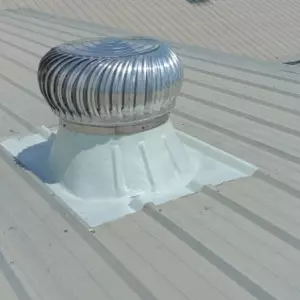
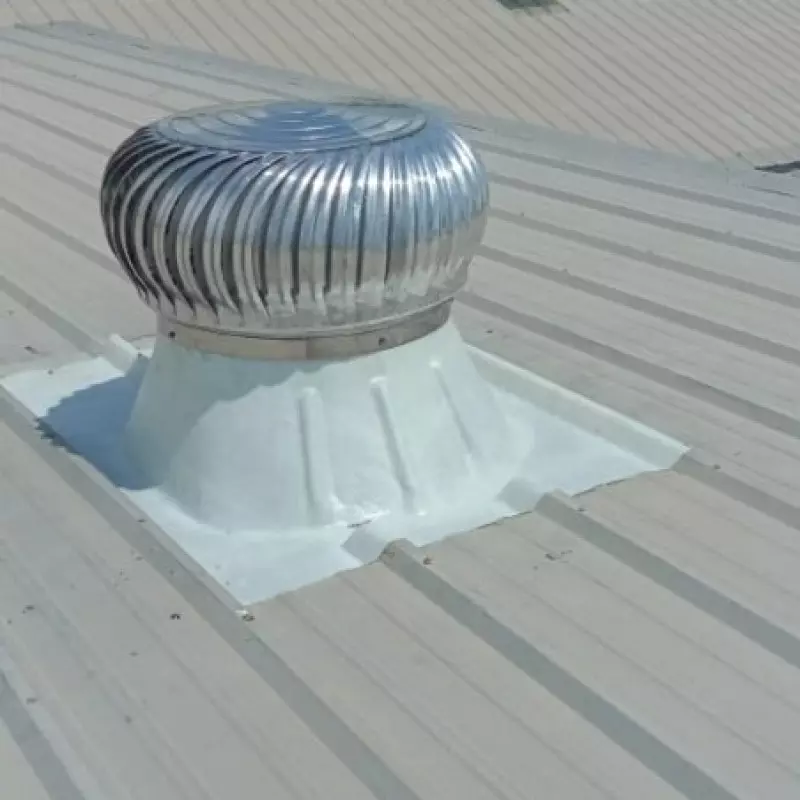
Details of Industrial Turbo Ventilator
We make turbo ventilators. As a manufacturer serving Jodhpur, we work with buyers who need roof ventilation suited to their building and daily operations. Roof shape, heat load and available airflow all affect the choice, so we review the site needs before suggesting a setup. The roof comes first.
Heat builds up quickly. A wind-driven unit can help draw warm air out, but its performance changes with wind speed and site conditions. We also look at where fresh air can enter (a closed building can limit airflow). A spinning ventilator alone isn't enough.
Roof work needs care. We check the roof profile and base requirements before settling on the fitting, since an opening that doesn't match the base can delay installation and leave gaps around the joint. Access for the installation team matters too. Fit is a practical issue.
What the Roof Can Support
Air movement varies. Wind-driven ventilators don't deliver a fixed extraction rate under every condition. When controlled airflow is needed, we can discuss a motorized roof exhaust option. The duty decides the choice.
Roof strength matters. The roof structure and sheet condition need to support the selected unit and its base. A site check helps identify weak sheets or fitting constraints before work starts. Don't skip that check.
Material choice counts. Aluminium and stainless steel are among the materials we work with. The choice depends on exposure, site conditions and the buyer's maintenance needs. Cost alone isn't enough.
More units aren't automatic. The number and placement depend on the building layout, heat sources and inlet air. We review these details before proposing a quantity. Guesswork can cost more.
Site needs differ. We serve factories, warehouses and other buildings across India, and we plan our work around the conditions at each site rather than treating every roof as the same. For a warehouse near Jodhpur, for example, roof access and dust exposure may shape the discussion. Details change the plan.
Orders need coordination. We discuss the required product, roof profile and delivery needs with the buyer before moving ahead. Custom requirements take a separate review (especially when drawings are still being updated). Early decisions save rework.
We keep learning. Our team uses site and buyer feedback to guide product and manufacturing improvements. We also work on matching wind-operated and motorized choices to the actual duty, rather than assuming one type will suit every building. That approach supports steady growth.
Explore the options. Share your building location, roof type and the area where heat collects, along with any drawings or site photos you have. We can review the details and discuss the next step with your team.
Offered Product

Industrial Turbo Ventilator
The Industrial Turbo Air Ventilator Utilizes Wind Energy To Induce Airflow By Centrifugal Action. It Is A Combination Of Both Natural & Forced Ventilation System. When There Is A Difference In Thermal Or Wind Pressure Between The Inside And Outside Of The Building Which Forces The Air To Move Through The Opening Of The Ventilator. Industrial Activity Generates Heat And Hot Air Being Lighter Moves Upwards. The Lighter Air Get Accumulated In The Turbine Of The Wind Ventilator. As The Hot Air T... Read moreTurbo Ventilator Manufacturer In Pune

We Make Turbo Ventilators For Pune That Hold Steady No Matter The Weather Or Work Load. These Units Cut Down On Vibrations From Wind And Machine Movement, Keeping Things Quieter And More Stable. It's A Simple Way To Stop Extra Wear And Keep The Parts Lasting Longer.Turbo Ventilators Have Caught On In Many Places Because They Don't Just Blow Air Around—they Keep It Moving Smoothly With Fewer Shakes And Rattles. They're Especially Handy Where Roof Conditions Are Tricky Or Winds Hit Hard But Need Continue
Turbo Ventilator Manufacturer In Dombivli
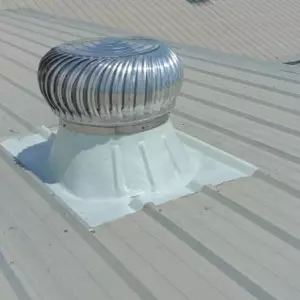
We Focus On Building Durable Turbo Ventilators That Meet Tough Industrial Needs In Dombivli. These Units Pull Air Out Efficiently, Cutting Down Heat And Bad Smells Inside Large Spaces. Turbo Ventilators Work Without Power, Using Wind To Push Stale Air Outside, Which Means Lower Energy Costs And Fewer Breakdowns During Power Outages. They Are Especially Good For Factories And Warehouses Where Keeping The Air Fresh Is Tough But Important.Wind Plays A Big Part Here. The Faster It Blows, The Better Continue
Turbo Ventilator Manufacturer In Andheri
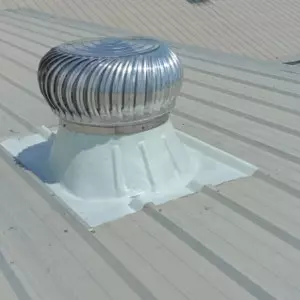
Our Manufacturing Process For Turbo Ventilator In Andheri Is Designed To Support Seamless Service Continuity, Keeping Your Operations Efficient And Reliable. The Design Focuses On Making Sure Air Flows Out Smoothly, Even When Conditions Are Tough Or Dusty. This Kind Of Ventilator Helps Cut Down Heat Inside Buildings Without Using Much Power, Which Keeps Running Costs Low.Heat Builds Up Fast In Factories Or Warehouses. Turbo Ventilators Pull That Hot Air Out By Spinning With Wind Or Air Movement. Continue